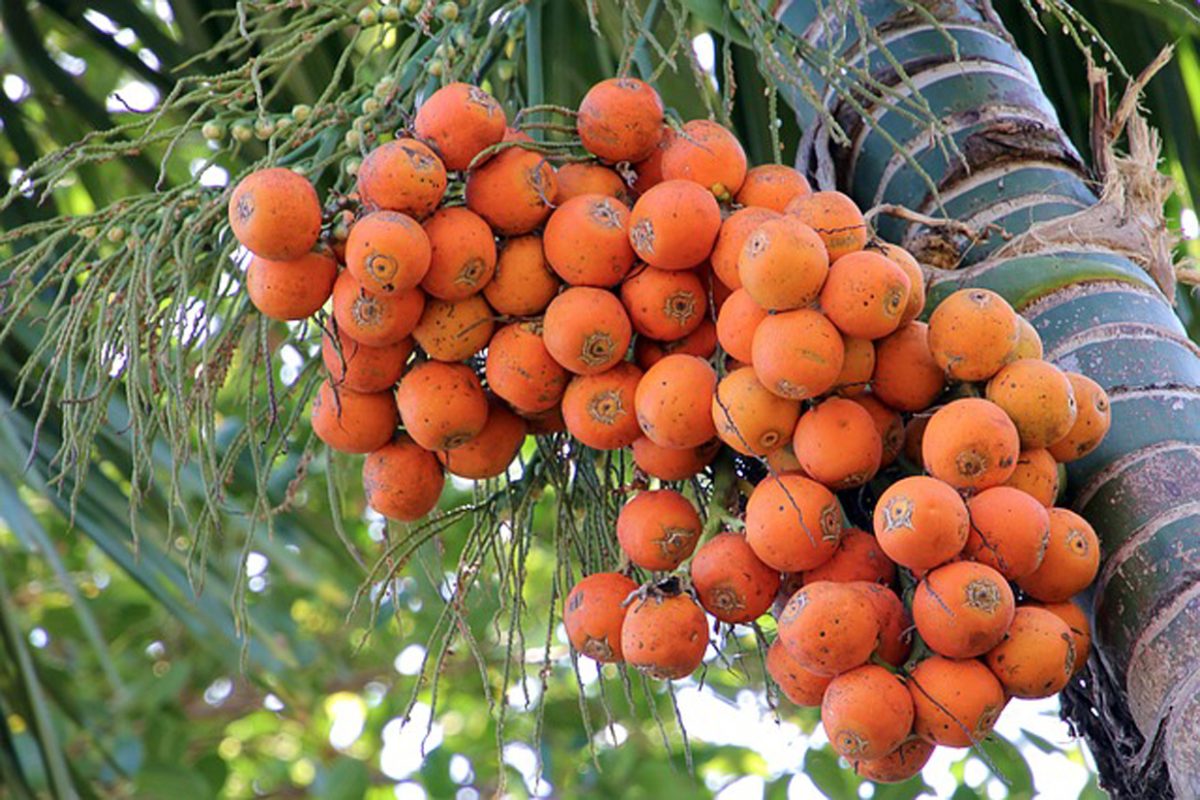


Supari and Paan: A Timeless Symbol of Hospitality in Bangladesh

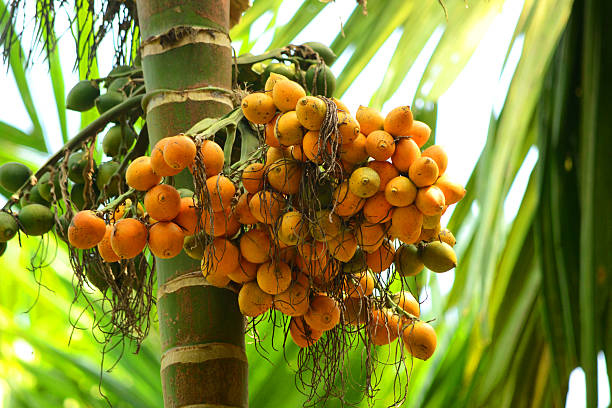
In Bangladesh, Supari (betel nut) and Paan (betel leaf) are more than just traditional refreshments—they are symbols of hospitality, respect, and cultural identity. Serving paan with supari to guests has long been a cherished custom, reflecting warmth and generosity. In both rural and urban households, offering paan is seen as a gesture of honor and a way to strengthen social bonds.
The tradition of chewing paan with supari dates back centuries, often associated with celebrations, weddings, and religious events. Beautifully decorated paan trays are a common sight at festive gatherings, symbolizing good fortune and blessings. Supari is also a key element in matrimonial ceremonies, where its exchange between families represents trust and mutual respect.
Economically, supari farming and paan cultivation support thousands of farmers across Bangladesh, making it a livelihood as well as a cultural staple. The demand extends beyond local markets, as Bangladeshi communities abroad maintain the tradition, creating a steady export value.
Despite health concerns linked to excessive consumption, the cultural significance of paan and supari remains strong. Together, they stand as timeless emblems of Bangladeshi hospitality, uniting heritage, economy, and social tradition in a single, symbolic practice.