

Bangladeshi Supari: A Tradition Rooted in Culture and Heritage


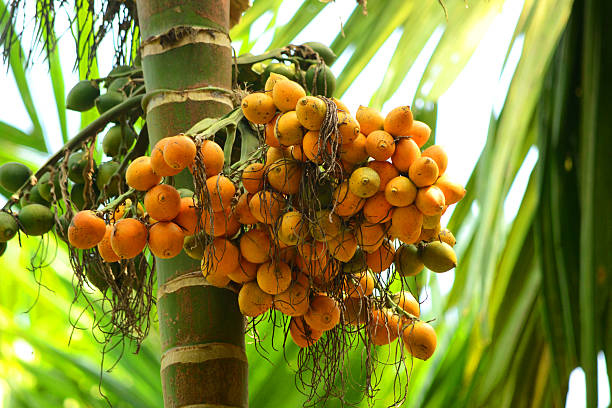
Bangladeshi Supari (betel nut) is an integral part of the country’s culture, tradition, and economy. Grown from the areca palm, supari is cultivated in rural areas where the warm and humid climate provides ideal conditions for its production. It is most commonly consumed with paan (betel leaf), often mixed with lime, spices, and sometimes sweeteners. Offering paan and supari to guests is a symbol of respect and hospitality in Bangladeshi households, making it a part of daily social interactions.
Beyond casual use, supari plays a significant role in rituals, weddings, and religious ceremonies. In many traditional events, decorated trays of paan and supari are exchanged as tokens of goodwill and blessings. Its presence in cultural practices highlights its symbolic value in Bangladeshi society.
Economically, supari farming supports thousands of rural families. Local markets are filled with varieties of supari—raw, dried, or processed—catering to different consumer preferences. Many Bangladeshi exporters also supply supari to international markets, meeting demand among diaspora communities.
While it holds cultural importance, health experts warn against excessive use, as it may cause dependency and health risks. Still, Bangladeshi supari continues to thrive as both a livelihood source and a timeless tradition, deeply rooted in the nation’s heritage.